
On-Page vs Off-Page SEO: What Your Business Needs to Know
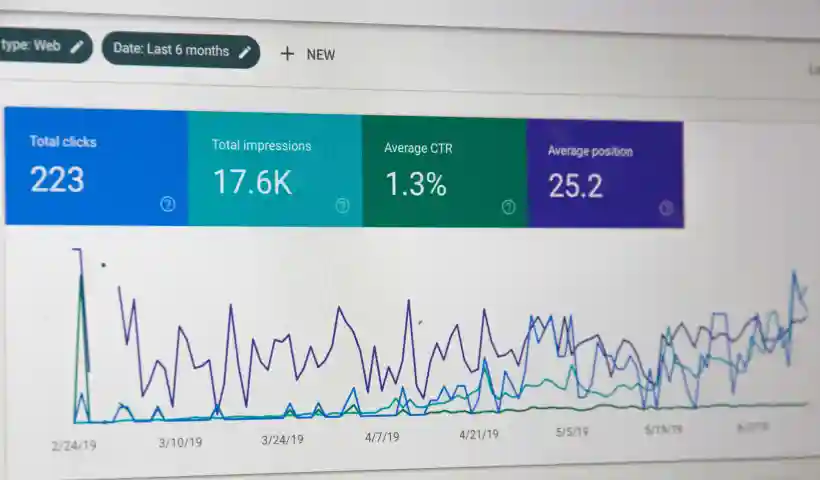
If you’re new to SEO, terms like “on-page” and “off-page” can be confusing. Both play a critical role in how well your website ranks on Google — but they work in very different ways
What Is On-Page SEO?
On-page SEO refers to everything you can control directly on your website. This includes keyword optimized titles and meta descriptions, well-structured headings (H1, H2, H3), high-quality relevant content, internal linking between pages, and fast page load speed with mobile responsiveness. On-page SEO tells search engines exactly what your page is about, and it directly affects the user experience for anyone who lands on your site.
What Is Off-Page SEO?
Off-page SEO refers to actions taken outside your own website that influence your rankings. The most important factor here is backlinks — links from other reputable websites pointing to yours. Search engines treat these as votes of confidence, signaling that your content is trustworthy and valuable. Offpage SEO also includes local citations and directory listings, social media signals, guest posting and digital PR, and Google Business Profile optimization for local businesses.
Why You Need Both
Strong on-page SEO without off-page authority is like having a great product with no reputation — search engines won’t trust it enough to rank it highly. Strong off-page authority without solid on-page SEO means visitors land on a page that doesn’t clearly communicate value or convert.
A Website Works 24/7
Your website doesn’t take a day off. It can showcase your services, answer common questions, and even capture leads while your team is offline.
Building a Balanced SEO Strategy
The most effective SEO strategies combine both: technically sound, well-written pages backed by a genuine, gradually built backlink profile. This combination is what drives sustainable, long-term organic growth — rather than short-lived ranking spikes.